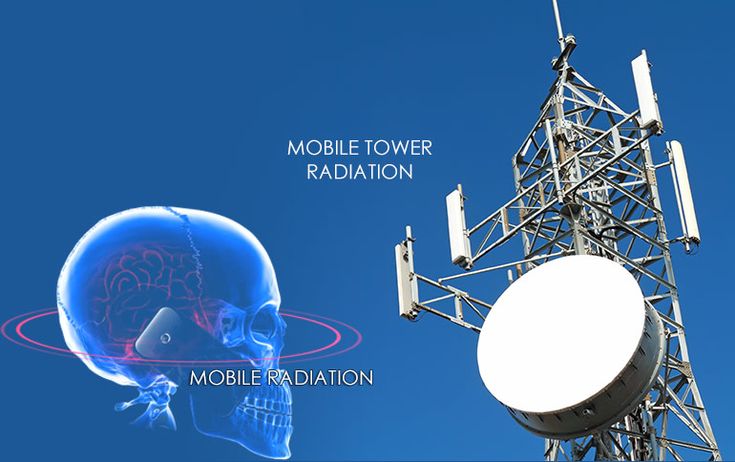
Do Cell Towers and Wi-Fi Routers Pose Similar Risks?
Cell towers, Wi-Fi routers, and other wireless infrastructure emit the same type of radiofrequency (RF) radiation as mobile phones, but typically at lower individual exposure levels due to distance. However, because these sources operate continuously, some researchers have raised concerns about long-term, cumulative exposure — especially for people living or working very close to transmission equipment.
Scientific opinions remain divided, yet precautionary recommendations often include practical steps such as placing Wi-Fi routers away from sleeping areas, switching devices off when not in use, and minimizing unnecessary background wireless activity.
Why Is There Ongoing Debate Among Scientists?
Wireless technology evolves faster than long-term health research can be completed, which contributes to differing viewpoints within the scientific community. Some studies report biological effects, while others find minimal or inconclusive evidence at regulated exposure limits.
Variations in study design, exposure duration, age groups, and measurement methods can lead to differing conclusions. As a result, many public-health discussions emphasize risk awareness and precaution, rather than absolute certainty, until more long-term data becomes available.
What Practical Steps Can Individuals Take to Reduce Exposure?
While wireless devices are deeply integrated into modern life, small behavioral adjustments can help reduce everyday exposure without sacrificing convenience. Common precautionary measures include:
- Using speaker mode or wired earphones for long calls
- Avoiding carrying active phones directly against the body
- Turning on airplane mode when a device is not in use
- Keeping Wi-Fi routers a short distance away from beds and desks
- Encouraging balanced screen time, especially for children
These steps are simple, cost-free, and align with general public-health advice that promotes moderation and informed technology use rather than fear or complete avoidance.
Conclusion
Wireless communication technologies offer enormous benefits for connectivity, education, and productivity. At the same time, ongoing scientific research continues to examine their long-term biological and health implications. Remaining informed, applying reasonable precaution, and adopting mindful device habits allow individuals and families to enjoy modern technology while prioritizing well-being and safety.
Referrence:
Non-Ionizing Radiation & RF Exposure — WHO International EMF Project
Scientific Debate on RF Radiation Health Effects — National Cancer Institute (NCI)
ICNIRP Guidelines & Safety Limits for RF Fields
NIOSH / NIH Research on Wireless Radiation and Biological Effects
Practical Exposure Reduction Strategies from Environmental Health Perspectives