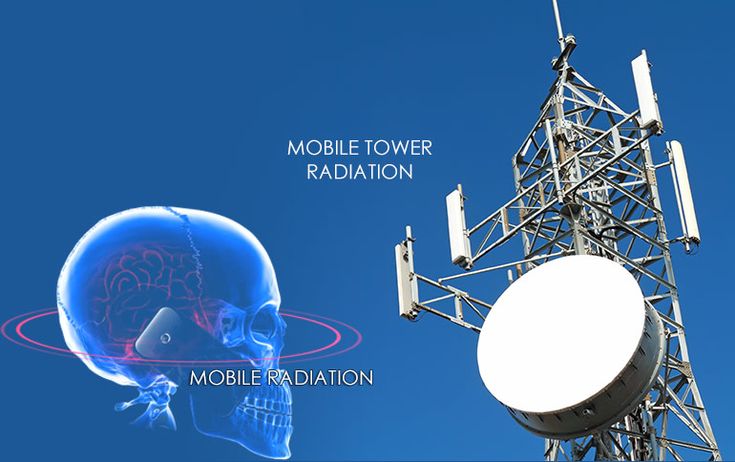
1. Is Cell Phone Radiation Dangerous?
A growing body of scientific research suggests that long-term exposure to cell phone and wireless radiation, even at low levels, may pose health risks. In 2011, the World Health Organization (WHO) classified radiofrequency radiation from mobile phones as a Class 2B carcinogen — “possibly carcinogenic to humans.” This places it in the same category as substances such as lead and engine exhaust.
Several international studies have associated heavy mobile phone use over extended periods with increased risks of certain brain tumors. Large-scale animal studies, including the National Toxicology Program (NTP) research funded by the U.S. National Institute of Environmental Health Sciences, also reported “clear evidence” of cancer in laboratory animals exposed to radiofrequency radiation. Similar findings were echoed by the Ramazzini Institute in Italy, which observed comparable tumor types at exposure levels below current regulatory limits.
While debate continues in the scientific community, these findings highlight the importance of awareness and precaution in everyday technology use.
2. Can Cell Phones Affect Memory or Brain Function?
Multiple research efforts indicate that prolonged and repeated exposure to mobile phone radiation may influence brain activity and memory, particularly among younger users. Studies involving teenagers have reported measurable decreases in memory performance after consistent exposure over time.
Research supported by the National Institutes of Health (NIH) has also demonstrated that even low-level microwave radiation can alter brain metabolism and neural activity. Additional investigations into modern wireless technologies have shown that radiation may affect both nearby and distant brain regions, not only the area closest to the device.
Experimental animal studies further suggest that prenatal exposure to wireless radiation may influence brain development and behavior. For this reason, many health researchers recommend minimizing unnecessary exposure, especially for children and adolescents whose brains are still developing.
3. What Other Health Effects Have Been Associated With Wireless Radiation?
Beyond cancer-related concerns, published scientific literature has linked wireless radiation exposure to a variety of biological and physiological effects. Reported associations include:
- Increased cellular stress and oxidative stress
- DNA and genetic damage
- Changes in reproductive system function
- Learning and memory difficulties
- Behavioral and neurological disturbances
- Headaches and general well-being impacts
Oxidative stress, in particular, is frequently highlighted because it can disrupt normal cellular balance and contribute to long-term health complications. Reviews of peer-reviewed studies have shown a high percentage of experiments demonstrating measurable biological effects from radiofrequency radiation exposure.
Reference: