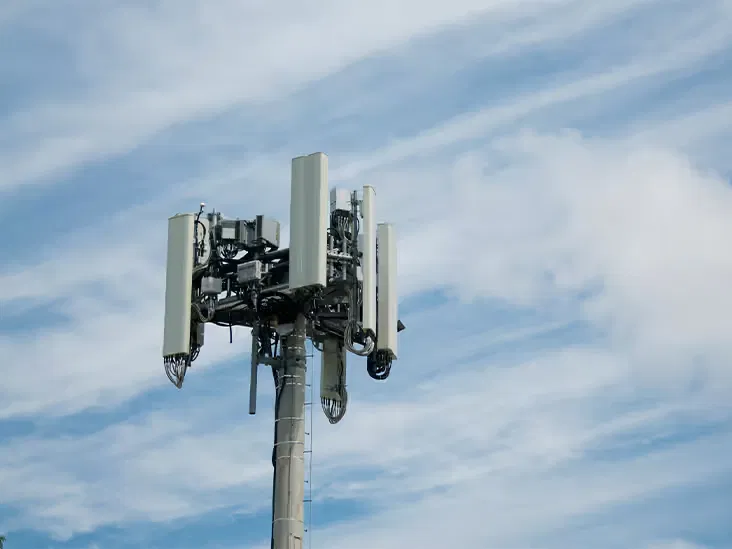
Radiofrequency electromagnetic fields (RF EMF) are a form of non-ionizing radiation emitted by many modern technologies, including mobile phones, microwave ovens, telecommunications equipment, and emerging 5G networks. While RF EMF exposures from everyday devices typically fall within current safety standards, there is ongoing scientific investigation into both thermal (heating) and non-thermal biological effects.
Historically, research has focused on whether long-term exposure to RF EMF may be associated with health outcomes such as cancer, subjective symptoms, and neurological effects. Early studies did not find definitive links between RF EMF and increased cancer risk, but more recent research suggests that heavy, long-term exposure — especially to brain tissues — may raise questions about associations with certain tumor types such as glioma and acoustic neuroma. In 2011, the International Agency for Research on Cancer (IARC) classified RF EMF as possibly carcinogenic to humans (Group 2B), prompting calls for additional research on potential cancer risks and long-term effects.
In addition to potential cancer risks, some epidemiological reports have documented subjective complaints among mobile phone users — including warmth around the ear, headaches, fatigue, and malaise. However, these effects are not yet fully understood, and the challenge in assessing real exposure levels and individual susceptibility adds uncertainty to causal conclusions.
Overall, the scientific consensus remains that definitive evidence of harm from low-level RF EMF exposure has not been established, but precautionary principles are often recommended while research continues, particularly regarding prolonged exposures and new technologies.